Cut Months Off Your Literature Review: 5 Stage Workflow for Researchers
Cut Months Off Your Literature Review: 5 Stage Workflow for Researchers

You can automate the repetitive stages of a literature review, search, screening, and structured data extraction, but synthesis and final drafting still need a human at the wheel. The workflow runs discover, screen, extract, synthesize, draft. Standards like PRISMA still govern how you report it, and platforms now handle the extraction step that used to take months of reading time.
TL;DR:
- Automation effectively handles discovery, deduplication, and initial screening, but human oversight remains essential for final inclusion decisions.
- Extraction is the most time-consuming stage, but designing a clear schema and performing regular validation can prevent common errors and improve efficiency.
- Synthesis and drafting are limited for AI, which can cluster, summarize, and outline but require significant human rewrites to meet disciplinary standards.
- Iterative validation, clear documentation, and tiered screening with human checks are critical to ensure the reliability of automated reviews.
- Papersynapse specializes in automating extraction and data normalization, supporting collaborative workflows, but it does not replace human judgment in synthesis or interpretation.
Table of Contents
- What Can You Actually Automate in a Literature Review?
- How Do You Set Up an Automated Literature Review Workflow?
- How Papersynapse Fits Into an Automated Review Workflow
- Where Does Machine Learning Actually Help With Synthesis?
- Why Validation Loops Matter More Than the Tool You Pick
- How Much Time Does Automation Actually Save?
- Where Papersynapse Fits Your Next Review
- What Experienced Reviewers Get Wrong About Automation
- Sources
What Can You Actually Automate in a Literature Review?
Every automated review workflow breaks into five stages, and each one tolerates a different amount of machine independence. Understand where the line sits, and you avoid the two failure modes almost every research team hits: over trusting the software in the stages where judgment matters, or manually grinding through stages a machine already handles well.
Discovery is where automation earns its keep with the least risk. You run the same query across multiple databases at once, whether that’s Scopus, Web of Science, or PubMed, and export results as RIS or CSV files. Deduplication tools then strip out repeat records automatically, usually catching most exact-match duplicates by DOI or title similarity. The human check here is light: spot the query itself for gaps, and confirm the deduplication logic didn’t merge two genuinely distinct papers that happen to share a title.
Screening is where things get more interesting, and where a documented tool called LiteRev has been formally evaluated for exactly this task. LiteRev automates search and metadata retrieval across open-access databases, and the study describing it is candid about recall and precision trade-offs. That’s the honest reality of AI screening: it prioritizes likely-relevant papers so your reviewers see the strongest candidates first, but it doesn’t replace the second human screener that PRISMA-style reporting expects. You still need someone checking disagreements, and you still need to log your identification, screening, eligibility, and included counts for the flow diagram.
Extraction is the stage that actually consumes the most researcher hours, and it’s also the stage most prone to a specific kind of quiet error. A person skimming forty abstracts at 11 PM will misread a sample size, swap two outcome measures, or miss an experimental condition buried in a dense paragraph. This is subjective, inconsistent between reviewers, and almost never caught until someone tries to reconcile the final table. Automating extraction against a predefined schema, bibliographic fields, methods, sample size, outcomes, fixes the consistency problem, provided you build the schema before you run it, not after.
Synthesis and drafting are where the automation ceiling is real. AI tools can cluster papers by theme, generate a first-pass outline, and draft section summaries per cluster. What they can’t do reliably is weigh conflicting findings, judge study quality against your specific research question, or write in a voice that matches your discipline’s expectations. Practitioner observation across journal and conference literature suggests AI-drafted synthesis sections often need heavy rewriting to meet disciplinary standards, sometimes the majority of the text gets reworked. Budget for that. Treat the AI draft as scaffolding, not a manuscript.
Here’s what to expect coming out of each stage:
- Discovery produces a deduplicated CSV or RIS file ready for import into your screening tool.
- Screening produces a priority queue plus a documented PRISMA count of records identified, screened, and excluded with reasons.
- Extraction produces a structured spreadsheet and, ideally, annotated PDFs showing where each data point came from.
- Synthesis produces cluster summaries and a rough outline, not a final section.
- Drafting produces prose that a subject-matter reviewer edits, restructures, and fact-checks before submission.
The MDPI human-centered pipeline framework makes the case that this hybrid structure, machine speed paired with human judgment at the checkpoints, isn’t a compromise. It’s the actual best-performing approach in the current research on AI-assisted reviews.
How Do You Set Up an Automated Literature Review Workflow?
Building an automated workflow is less about picking one tool and more about sequencing the right tasks at the right stage. Here’s how to assemble it piece by piece, with templates you can adapt immediately.
Discovery: query design and export
Write your search string once, then run it in parallel across each database rather than reformatting it manually every time. A workable template looks like this:
("literature review" OR "systematic review") AND ("automation" OR "AI-assisted") AND (2020:2026[dp])- Export every result set as RIS (preferred for reference managers) or CSV (preferred for spreadsheet-based screening).
- Merge exports into one master file, then run deduplication by DOI first, title similarity second.
- Keep a version-dated copy of the merged file before screening starts. It’s your audit trail if a reviewer ever asks how many records you actually pulled.
Screening: criteria and active learning
Write your inclusion and exclusion criteria before you touch a screening tool, not while you’re using it. Vague criteria produce vague AI prioritization. A usable structure:
- Inclusion: population or subject, intervention or exposure, comparator, outcome, study design, publication window.
- Exclusion: language restrictions, study types you’re not equipped to synthesize (case reports, conference abstracts), duplicate populations across papers.
- Feed the first 50 to 100 screening decisions into the AI tool as training examples. This is active learning: the model reorders the remaining queue by predicted relevance, and reviewer burden drops fastest on the papers that would have taken longest to evaluate anyway. That’s the finding behind LiteRev’s evaluation, and it’s also why journals still expect a human decision on final inclusion.
- Log every exclusion reason. PRISMA reporting requires it, and you’ll want it later when a co-author disagrees with a call.
Extraction: schema design and normalization
This is where most reviews either save weeks or lose them, depending on whether you design the schema before or after running extraction. A sample schema for a mixed-methods review:
- Bibliographic fields: author, year, journal, DOI, country of study.
- Methods fields: design, sample size, population, setting.
- Outcome fields: primary outcome, effect size or direction, follow-up period.
- Quality fields: funding source, risk-of-bias flag, peer-review status.
Set normalization rules before extraction runs: decide whether “N=45” and “forty-five participants” map to the same field, decide how you’ll handle ranges versus single values, decide what happens when a paper reports an outcome your schema doesn’t anticipate. Then set a spot-check rate, more on that later, so you catch the numeric misreads and swapped fields that automated extraction occasionally produces. Papersynapse’s extraction guidance covers this schema-first approach in more depth if you’re building your first automated pipeline.
Synthesis: iterative prompting
Synthesis works best as a layered process rather than a single prompt. Generate topic-cluster summaries first, grouping papers by theme or method. Then prompt the model to draft a section per cluster, feeding it only the extracted data relevant to that cluster rather than the full corpus. Finally, run a human-led integration pass that pulls the cluster drafts together, resolves contradictions between studies, and adds the interpretation that actually constitutes your contribution. This chunk-then-integrate pattern is the same logic behind PROMPTHEUS and similar LLM pipelines, which report strong results on clustering and summarization but still flag human oversight as necessary for the final output.
Integration points that matter
Your workflow needs to move data cleanly between tools. Reference managers (Zotero, EndNote, or similar) should accept your deduplicated RIS files directly. Your extraction tool should accept CSV exports from your screening stage without manual reformatting. And whatever you use for extraction should export a format that maps onto a PRISMA flow diagram and gives you an audit log of what was changed, by whom, and when.
How Papersynapse Fits Into an Automated Review Workflow
This tool sits squarely in the extraction and analysis stage, the part of the workflow that consumes the most hours and produces the most inconsistency when done by hand. Users can import references from major databases or reference managers, then the tool reads abstracts and populates a structured table against fields defined.
Here’s the feature set mapped against the workflow stages covered above:
- Import: CSV/RIS ingestion from major databases and reference managers, no manual reformatting required.
- Extraction: AI reads abstracts and fills your custom schema, whether that’s methods, sample size, outcomes, or fields specific to your discipline.
- Normalization: label normalization cleans up inconsistent terminology across papers so “N=45” and “forty-five participants” land in the same field.
- Screening support: PRISMA-compliant screening workflows keep your inclusion, exclusion, and count data organized for reporting.
- Review and export: inline editing lets you correct any extraction before export, and outputs go to enriched CSV or PNG visualizations for figures and charts.
- Collaboration: research teams work from the same dataset with a real-time AI chat interface for querying the extracted data directly.
It has been reported that some platforms process up to 200 papers in under two minutes for extraction, though this is not a guaranteed performance metric for all datasets. Treat it as a starting expectation for your own dataset size and complexity, not a guarantee.
Pro Tip: Run your first 15 to 20 papers through extraction, then manually check every field before scaling to the full corpus. Catching a schema design flaw at paper 20 costs you an afternoon. Catching it at paper 300 costs you a week.
Where Papersynapse doesn’t help: it isn’t a synthesis or drafting tool, and it won’t write your discussion section for you. It’s built for the extraction bottleneck specifically, which is exactly the stage where manual work is slowest and least consistent between reviewers.
Where Does Machine Learning Actually Help With Synthesis?
Natural language processing earns its place in synthesis through two specific techniques: embedding-based clustering and topic modeling. Embeddings group papers by semantic similarity rather than keyword overlap, so two studies using different terminology for the same concept still land in the same cluster. Topic modeling approaches like BERTopic, used in frameworks such as PROMPTHEUS, then label those clusters automatically, giving you a thematic map of your corpus before you’ve read a single full text.

Large language models take over from there for summarization, generating a draft synthesis per cluster based on the extracted data you feed them. This works reasonably well for description, restating what studies found. It works far less reliably for interpretation, judging why studies disagree or what the disagreement means for your field. That gap is exactly why every framework in this space, from the MDPI pipeline to PROMPTHEUS, builds in a mandatory human review pass rather than treating the model’s output as final. Papersynapse’s coverage of AI in literature synthesis goes deeper into why this iterative, review-heavy process differs so much from a single-pass search.
Why Validation Loops Matter More Than the Tool You Pick
Most researchers approach automation backward. They spend weeks comparing tools and almost no time deciding how they’ll validate the output once they have it. That’s the wrong order of operations, and it’s the single biggest reason automated reviews fail peer review or get flagged for methodological weakness.
The fix is a cyclical validation process, not a one-time check at the end. Run a batch of extractions, spot-check a sample, adjust your prompts or schema based on what you find, then run the next batch. This iterative prompt engineering approach, refining based on error patterns rather than assuming the first pass is correct, is what the MDPI human-centered pipeline research identifies as the differentiator between reviews that hold up to scrutiny and ones that don’t.
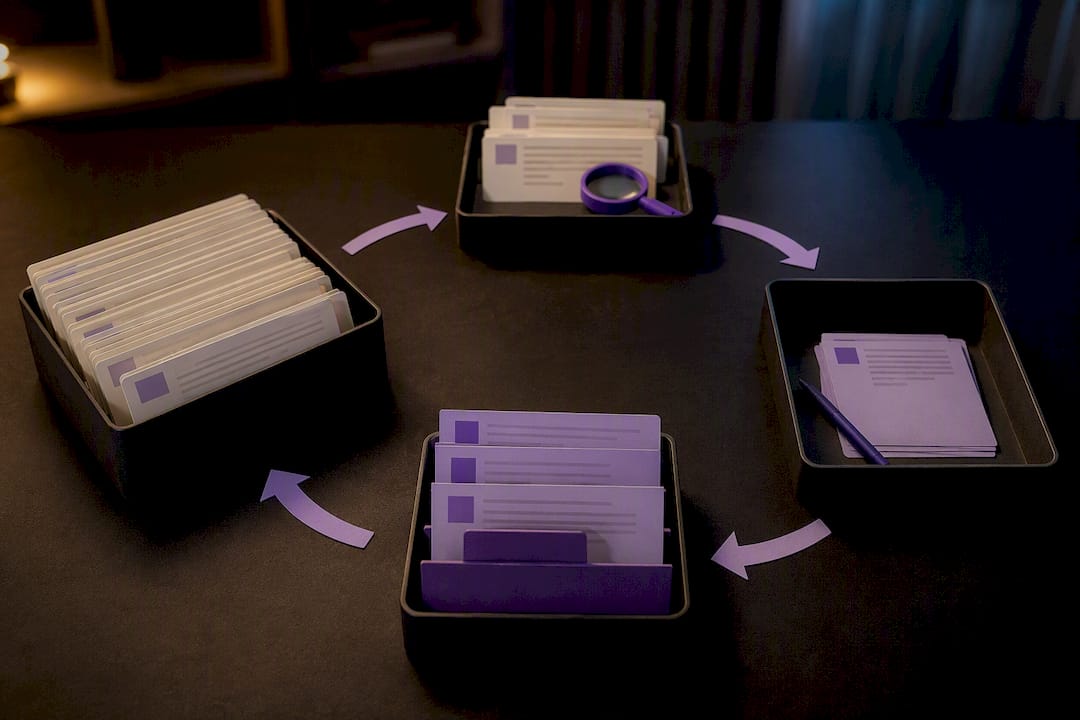
Set your spot-check rate deliberately rather than arbitrarily. Raise that rate substantially, sometimes to full manual review, for high-stakes domains: clinical outcomes, safety data, anything feeding a policy recommendation or a meta-analysis that other researchers will build on. Lower stakes work, an exploratory scoping review, a preliminary thematic map, can tolerate a lighter check.
Screening decisions need the same tiered logic. AI-prioritized screening with a single human reviewer confirming the AI’s top calls works fine for narrative reviews and early-stage scoping work. Formal systematic reviews intended for publication generally still expect full manual double screening, two independent human reviewers, disagreements resolved by a third, exactly the standard PRISMA guidance has recommended for years. AI can pre-sort the queue and cut the time each screener spends per paper, but it doesn’t replace the second reviewer for that tier of review.
Documentation is the part researchers skip and later regret. Keep your inclusion and exclusion criteria in a single version-controlled document. Export your PRISMA counts at each stage, don’t reconstruct them from memory during writeup. And keep an audit log of every automated decision, what the model flagged, what a human overrode, and why. When a reviewer or co-author questions a methodological choice eight months later, that log is the difference between a five-minute answer and a re-run of your entire screening stage.
How Much Time Does Automation Actually Save?
The honest answer: it depends heavily on which stage you’re measuring, and the savings are not evenly distributed. Search, screening, and extraction see the biggest gains. Synthesis and drafting see the smallest, and sometimes none at all once you account for revision time.
- Search and discovery: automation cuts this from days to hours, mostly by eliminating repetitive manual querying across databases.
- Screening: AI prioritization lets reviewers process papers faster per hour, though the total screening timeline still depends on your team’s availability for the required human check.
- Extraction: this is where automated tools save the most absolute time, since manual extraction across 200+ papers is the single biggest time sink in most reviews.
- Synthesis and drafting: practitioner reports describe this stage as still requiring substantial human rewriting regardless of how much AI drafting assistance is used upfront.
For planning purposes, a small review (50 to 200 papers) using an automated extraction workflow with proper spot-checking typically moves from screening to a draft synthesis in a few weeks rather than a few months, assuming the schema is solid from the start. A medium review (200 to 800 papers) stretches that timeline further, not because extraction slows down proportionally, but because the human validation and synthesis stages don’t scale down the same way the machine stages do. Common extraction errors worth budgeting checking time for including misread numeric values, swapped outcome fields, and missing experimental conditions buried in dense methods sections, the same errors that make manual extraction unreliable in the first place.
Where Papersynapse Fits Your Next Review
If you’ve read this far, you already know the bottleneck isn’t finding papers, it’s extracting clean, consistent data from the ones you’ve screened. This platform is built specifically for that stage: import references from major databases, define your extraction schema, and let AI read abstracts into a structured table instead of manual per-paper extraction.
It supports researchers running systematic reviews who need PRISMA-compliant screening support, normalized fields across inconsistent terminology, and exports ready for writeup, while preserving human review checkpoints your methodology section needs to defend. Teams can collaborate on the same dataset, query it through a built-in AI chat, and export enriched CSVs or chart visualizations once extraction is done. A free tier is available to test the workflow on a smaller batch before committing to paid plans. Start by Papersynapse and see how your own schema performs before you scale to the full review.
What Experienced Reviewers Get Wrong About Automation
Most guidance on automating literature reviews treats it as a binary choice: either you do it by hand the traditional way, or you hand it to AI and accept whatever comes out. Neither extreme survives contact with an actual peer review process, and researchers who’ve been burned by either approach usually land somewhere in the middle out of necessity, not conviction.
The more useful framing, and the one this article has leaned on throughout, is that automation is stage-specific, not tool-specific. The mistake isn’t choosing the wrong software. It’s applying the same trust level to every stage, treating an AI-drafted discussion section with the same confidence you’d extend to an AI-deduplicated reference list. Those are wildly different tasks with wildly different failure risks, and lumping them together under “automated literature review” is exactly how a good workflow produces a paper that gets flagged in peer review.
What experienced reviewers underestimate is how much the extraction stage benefits from structure imposed before automation, not after. A schema designed on the fly, adjusted paper by paper as you notice a field you forgot, produces exactly the inconsistency automation was supposed to eliminate. The hybrid framework research from Springer Nature makes a similar point about transparency and inter-model comparison: rigor comes from the process wrapped around the tool, not the tool’s raw capability.
If there’s a genuine contrarian take here, it’s this: the biggest risk in automated reviews isn’t hallucination or bad extraction, it’s researchers skipping the validation loop because the first few outputs looked plausible. Plausible is not the same as correct, and the gap between them is exactly where six months of work quietly goes wrong.
— Ubada
Sources
- A human-centered pipeline to streamline systematic literature reviews (MDPI)
- Approaching literature review for academic purposes: The Literature Review Checklist (PMC)